

Museums exist to protect history, culture, and creativity while making them accessible to the public. One of the most important yet often overlooked tools in achieving this mission is the museum display cabinet. These cabinets serve as both protective enclosures and storytelling devices, offering visitors a clear view of treasured artifacts while ensuring their preservation for future generations.
Protection and Preservation
Artifacts on display are often fragile, valuable, and irreplaceable. A well-designed cabinet safeguards items against dust, handling, and accidental damage. Many cabinets also use tempered glass and secure locking systems to protect against theft or tampering. By creating a controlled micro-environment, display cabinets help reduce the risks associated with changes in humidity and temperature, which can deteriorate sensitive materials like textiles, paper, and wood.
Enhancing Visitor Experience
Beyond protection, museum display cabinets play a significant role in enhancing how visitors connect with exhibits. Clean sightlines and carefully arranged lighting allow viewers to see the finest details of objects, from the brushstrokes on a painting to the texture of an ancient artifact. Multi-sided glass cabinets even let visitors explore items from different angles, giving a more complete and immersive experience.
Design Considerations for Exhibits
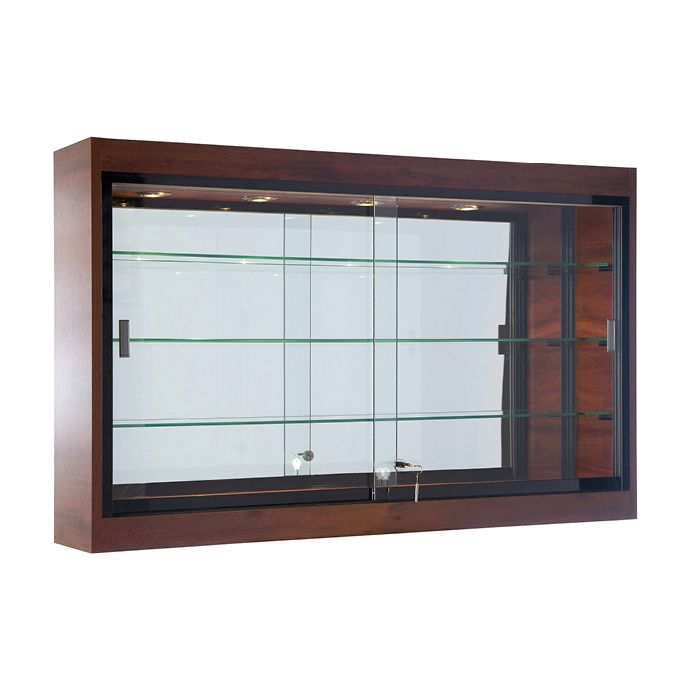
When selecting a museum display cabinet, curators must consider both functionality and aesthetics. Cabinets should complement the items inside without drawing attention away from them. Neutral backdrops, adjustable shelving, and discreet lighting all help create a professional, uncluttered presentation. The scale of the cabinet matters too—oversized cases can dwarf small objects, while undersized cases may crowd larger pieces.
Flexibility is also important. Modular cabinets allow museums to reconfigure layouts for rotating exhibits or special events, maximizing the use of space while maintaining visual consistency.
A Blend of Security and Accessibility
Museums walk a fine line between making items accessible to the public and ensuring their protection. Display cabinets strike this balance by creating secure yet transparent enclosures. Lockable features keep objects safe, while glass fronts and strategic placement ensure accessibility for all visitors, including children and those using mobility aids.
Long-Term Value for Institutions
Investing in high-quality display cabinets pays off in the long run. Not only do they reduce the need for frequent maintenance or replacement, but they also support a museum’s reputation for professionalism and care. Visitors are more likely to trust the authenticity and value of items when they are displayed with attention and respect.