

Gold Coast builds have a way of exposing everything: the strength of your budget, the builder’s communication habits, and how well a design actually fits a coastal lifestyle once salt air, wind loads, and approvals enter the chat.
And yes, some builders genuinely make it feel calmer.
What homeowners keep saying about Homestyle Living
Most homeowner feedback clusters around a few themes: transparency, durability, and a process that doesn’t require you to “project manage” your own build. That’s not fluffy praise either. When a client says, “I always knew what was happening,” that’s code for: fewer nasty surprises, fewer mid-build arguments, and less time chasing trades.
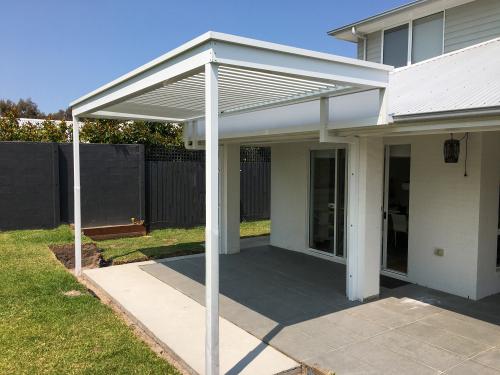
You’ll also hear that the homes feel tailored, not just “custom finishes slapped on a standard plan.” That’s usually a sign the design and build teams are working together instead of tossing drawings over the fence. For homeowners exploring features like Homestyle Living Gold Coast patio options, that same attention to detail often shows up in how seamlessly outdoor spaces are planned and built.
One-line truth: A calm build is rarely an accident.
How I’d choose between Gold Coast builders (if it were my money)
Look, portfolio photos are easy. Consistency is hard.
If you’re comparing builders, don’t get hypnotised by glossy kitchens and heroic drone shots. Ask questions that force specifics, scope clarity, allowances, who supervises, how variations are priced, what happens when materials don’t arrive on time.
Here’s the short list I actually care about:
– License + insurance (verify it independently, not via a PDF they email you)
– Residential track record on the Coast (coastal sites behave differently)
– Quote detail: itemised, with allowances clearly labelled
– Variation system: fixed pricing where possible, and a transparent change-order process
– Communication cadence: weekly updates aren’t “nice,” they’re a control mechanism
– Aftercare: what’s the defects process, and who shows up when something needs fixing?
Now, this won’t apply to everyone, but… if a builder can’t explain their process in plain language, they probably don’t have one.
Budgets: the number you start with isn’t the number you finish with
Coastal builds are where budgets go to get humbled.
It’s rarely the “house” that surprises people. It’s the site, access, approvals, and the boring but expensive bits: corrosion resistance, wind ratings, drainage, and the reality of local labour availability.
A practical rule that holds up: carry a 10% to 15% contingency on construction costs. Not because you’re reckless, because you’re building in the real world.
And yes, material choices hit you twice:
1) upfront cost, and
2) long-term maintenance (salt air loves cheap hardware).
If you want a credible external benchmark for why coastal resilience matters, the CSIRO has long documented the corrosive impact of marine environments on materials and infrastructure performance (source: CSIRO publications on corrosion in marine/coastal environments, https://www.csiro.au).
Plans that fit real life (not just a display-home fantasy)
Start with a slightly annoying question
Do you want a house that photographs well, or one that’s effortless on a Tuesday?
A plan that fits your lifestyle usually looks… less dramatic on paper. But it lives better. Better flow, storage where you need it, quieter bedroom placement, fewer dead corridors.
In my experience, the best Gold Coast layouts lean on three ideas:
Align with routines.
Cooking, laundry, school runs, surf gear, guests, working from home, your plan should acknowledge these patterns instead of fighting them.
Build in flexibility.
That study becoming a guest room later? Smart. A ground-floor shower that feels “unnecessary” until it isn’t? Smarter.
Make space planning do the heavy lifting.
Open living zones can work brilliantly, but only when circulation is clean and storage is baked in. Otherwise you get that weird “big but messy” feeling.
Short aside: modular rooms aren’t about being trendy; they’re about protecting resale value without designing for some imaginary future owner.
Permits and timelines: boring, brutal, and absolutely determinative
You don’t “wing” approvals on the Gold Coast. Councils have their own rhythms, and if your documentation isn’t tight, you’ll pay in weeks.
A builder who handles permits well usually does a few unsexy things early:
– confirms the full approval pathway (zoning, utilities, environmental overlays if relevant)
– gathers surveys and specs before submission, not after the first rejection
– builds inspection gates into the schedule so the site doesn’t stall
Here’s the thing: the best timelines aren’t optimistic. They’re defensible. Weather buffers, lead times, and inspection windows aren’t pessimism; they’re competence.
Craftsmanship: what “quality” actually looks like on site
People love to say “high craftsmanship,” but on a build, it shows up in details you can measure or at least inspect.
Tight mitres. Consistent gaps. Doors that don’t rub six months later. Cabinetry reveals aligned across a run so your eye doesn’t catch tiny mistakes. Stone seams planned so they don’t land awkwardly in high-visibility spots. Substrate prep done properly (because flawless paint over rushed prep still looks… rushed).
Luxury finishes are only luxurious when they’re installed precisely. Otherwise they’re just expensive materials showing off poor tolerance.
Finishes & precision (the quick mental checklist)
Check:
– junctions where different materials meet
– straightness of shadow lines
– tile set-out symmetry
– hardware choice for coastal exposure (stainless grades matter)
And if you’re wondering why I’m so picky: I’ve seen “premium” homes where the materials were outstanding and the execution quietly sank the whole feeling.
The one-stop model: convenience or control?
When a builder offers an integrated setup, permits, architectural drafting, suppliers, project management, it can reduce friction fast. Fewer handoffs. Cleaner responsibility. Less “that’s not my problem” energy.
Homestyle Living leans into that model: coordinated approvals, in-house design iteration, vetted suppliers, and a project manager who keeps the parts moving in one direction. If it’s done well, it’s not just convenient, it’s a risk reduction strategy.
One catch (because there’s always one): integration only helps when the internal team communicates properly. A one-stop shop with internal silos is just chaos with matching shirts.
Features that age gracefully on the Coast
Coastal homes should be designed like they’re going to be lived in hard, and still look composed years later.
Durable materials (not glamorous, but decisive)
Salt, humidity, UV, wind-driven rain: you’re choosing against a climate, not just a colour palette.
– corrosion-resistant fixings and hardware
– moisture-tolerant assemblies
– finishes that don’t demand constant repainting or resealing
– breathable, well-detailed envelopes to manage condensation and mould risk
Eco-friendly material choices can fit neatly here too, as long as performance comes first (sustainability that fails early isn’t sustainable).
Timeless design (quiet confidence beats trends)
Simple lines. Cohesive palettes. Proportion that feels intentional. Natural light and cross-ventilation that make the home comfortable without fighting the climate.
I’m opinionated on this: trendy design ages faster than you think. A restrained exterior with solid materials and thoughtful openings tends to hold its value, and your sanity.
Communication that actually prevents problems
Weekly updates aren’t “nice customer service.” They’re project controls.
The strongest build communication systems usually include:
– a predictable update cadence (weekly works)
– a central portal for documents, schedules, selections, and variations
– milestone summaries with what’s done, what’s next, and what’s blocking progress
– progress photos and a site log (helpful, not noisy)
If landscaping and energy-efficiency decisions are tracked alongside construction milestones, even better. Those are classic late-stage derailers.
When delays and revisions hit: the “stress-test” approach
Delays happen. Revisions happen. The difference is whether you get fog or facts.
A good stress-test process looks like this: quick impact brief, scenario options with cost/schedule consequences, decisions documented cleanly, then a locked revised program. No drama. No vague assurances. Just trade-offs made visible.
That’s the moment accountability shows up, or doesn’t.
So why does Homestyle Living stand out (according to the pattern)?
The consistent thread is an integrated design-and-build workflow that’s tuned for local Gold Coast realities: approvals, coastal durability, communication cadence, and craftsmanship standards that don’t rely on luck.
You end up with a home that’s meant to perform, not just impress at handover.
If you’re weighing builders, make them show you how they handle the unglamorous parts: permits, variations, scheduling, and quality control. That’s where your experience will be decided.