

Efficient fluid control systems depend on reliable components that maintain consistent performance, accurate flow regulation, and dependable operation. Standardized valves contribute significantly to achieving these objectives by following established design, manufacturing, testing, and performance requirements. Understanding https://www.vincervalve.com/valve-standards-guide/ helps industries recognize how uniform specifications improve equipment compatibility and simplify system planning. These standards also encourage consistent quality, making valve selection and integration more straightforward across different applications.
- Improving Flow Control and Operational Consistency
Standardized valves support predictable fluid movement by maintaining defined performance characteristics. Their consistent specifications help operators manage pressure, temperature, and flow rates effectively.
Key advantages include:
- Accurate Regulation: Supports controlled fluid movement and maintains desired flow conditions.
- Consistent Performance: Encourages dependable operation across different system requirements.
- Pressure Management: Helps maintain suitable pressure levels throughout connected equipment.
- Improved Compatibility: Simplifies integration with pipes, fittings, and other system components.
- Operational Stability: Promotes balanced fluid distribution during regular operations.
These benefits create a more organized approach to fluid management while supporting efficient equipment performance.
- Supporting Quality and Equipment Reliability
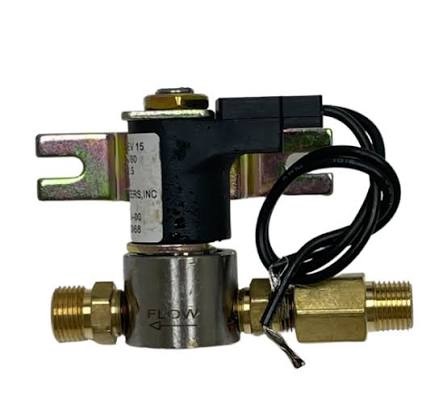
Manufacturing consistency plays an important role in maintaining reliable fluid control systems. Standardized valve requirements establish clear expectations for materials, dimensions, construction, and testing procedures.
Important quality benefits include:
- Material Selection: Encourages suitable materials for different fluid characteristics and operating conditions.
- Dimensional Accuracy: Supports proper fitting and dependable connections.
- Performance Testing: Helps verify pressure handling, sealing, and functional capabilities.
- Design Consistency: Makes replacement planning and equipment coordination easier.
- Quality Assurance: Encourages repeatable manufacturing practices and dependable product characteristics.
Together, these measures help maintain equipment reliability and support long-term operational confidence.
- Simplifying Installation and Maintenance Activities
Uniform valve specifications make installation and maintenance processes more manageable. When components follow recognized requirements, technical teams can understand their dimensions, connections, and operating characteristics more easily.
Practical advantages include:
- Easier identification of suitable replacement components.
- More straightforward equipment inspection procedures.
- Better coordination between connected system components.
- Reduced complexity during installation planning.
- Improved maintenance scheduling through consistent specifications.
- Convenient documentation and technical evaluation.
Such advantages support organized maintenance routines and help minimize unnecessary operational interruptions. Standardization also makes future system upgrades easier to plan because compatible components can be identified through established requirements.
- Enhancing Overall System Efficiency
Efficient fluid control involves more than regulating flow. It also requires dependable sealing, appropriate pressure management, and effective coordination between individual components. Standardized valves contribute to these objectives by providing consistent performance expectations.
Additional efficiency benefits include:
- Supporting effective energy management through suitable flow regulation.
- Maintaining dependable sealing across operating conditions.
- Encouraging better equipment compatibility.
- Helping reduce unnecessary maintenance requirements.
- Supporting consistent system performance during demanding operations.
- Improving planning for future equipment expansion.
Conclusion
Standardized valves provide a valuable foundation for efficient fluid control systems through consistent quality, reliable operation, and practical compatibility. Their established requirements support accurate flow regulation, simplified maintenance, and organized equipment integration. Selecting suitable components according to application needs also encourages dependable performance throughout the operating lifecycle. Exploring https://www.vincervalve.com/fr/ can further support informed decisions and a better understanding of valve applications. With appropriate standardization, fluid control systems can achieve improved coordination, operational consistency, and lasting efficiency.