

Proximity sensors are vital components in modern industrial systems, ensuring precise detection, automation efficiency, and operational safety. Mastering the art of testing these sensors can significantly improve maintenance routines and control practices, fostering smoother operations across diverse industrial environments.
Understanding the Role of Proximity Sensor Testing
Proper testing of proximity sensors ensures that industrial machinery operates at peak performance. Key advantages include:
- Accurate detection – Ensures machinery responds precisely to object presence or movement.
- Preventive maintenance support – Identifies potential malfunctions before they escalate.
- Operational consistency – Reduces the risk of downtime caused by sensor errors.
By consistently testing sensors, maintenance teams can maintain high standards of operational reliability.
Strengthening Maintenance Practices
Routine sensor tests empower industrial maintenance personnel to detect and address issues proactively. Benefits include:
- Early fault detection – Pinpoints weak signals or misalignment that may affect performance.
- Extended equipment lifespan – Reduces wear and tear by ensuring sensors operate correctly.
- Reduced repair costs – Prevents major system failures that could lead to expensive downtime.
These practices not only optimize machinery efficiency but also create a safer work environment. Fixing proximity sensor not working ensures operational continuity.
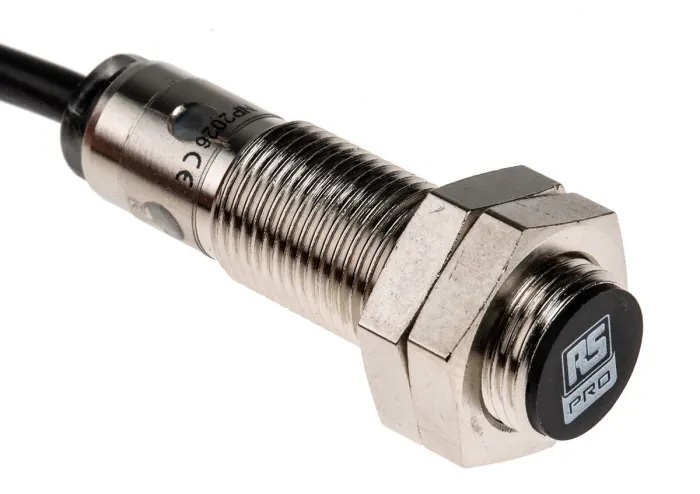
Enhancing Control System Efficiency
Proximity sensor testing also plays a pivotal role in control system management. When sensors are correctly calibrated and functioning, automation processes become smoother and more reliable. Key outcomes are:
- Precise automation response – Machinery reacts instantly to sensor input, improving production flow.
- Optimized workflow – Streamlines operations, eliminating delays caused by faulty sensor signals.
- Data-driven insights – Reliable sensor feedback helps in monitoring performance and refining control strategies.
This ensures that industrial control systems operate with consistent accuracy and efficiency.
Boosting Safety and Operational Confidence
Regular testing of proximity sensors contributes to heightened safety and confidence among operational teams. Advantages include:
- Accident prevention – Properly functioning sensors reduce the likelihood of collisions or mechanical errors.
- Regulatory compliance – Ensures that safety standards are met consistently.
- Employee confidence – Teams can rely on sensors to perform accurately, minimizing operational stress.
A well-tested sensor network supports a culture of safety while boosting overall productivity.
Conclusion: Mastery Brings Measurable Benefits
Mastering proximity sensor testing is more than a technical task; it is a strategic approach to industrial excellence. By integrating consistent testing into maintenance schedules, organizations can achieve:
- Enhanced machinery reliability
- Improved automation accuracy
- Optimized operational efficiency
- Strengthened workplace safety
Embracing the mastery of sensor testing ensures industrial operations remain smooth, predictable, and highly efficient, laying the foundation for long-term success.