

Computer forensics has become an indispensable tool for businesses in today’s increasingly digital world, empowering them to uncover hidden threats and ensure the security of their operations. In the face of rising cybercrime, data breaches, and other malicious activities, companies must rely on computer forensics to detect, investigate, and mitigate potential risks. This discipline involves the application of specialized techniques to recover, preserve, and analyze digital evidence from electronic devices, such as computers, mobile phones, servers, and networks. The goal is to identify unauthorized access, data manipulation, or other suspicious activities that could jeopardize a company’s sensitive information, reputation, and bottom line. One of the core benefits of computer forensics is its ability to uncover hidden threats that might otherwise go unnoticed. Cybercriminals are constantly developing new tactics to infiltrate systems and evade detection, making it challenging for businesses to identify and respond to threats in real time.
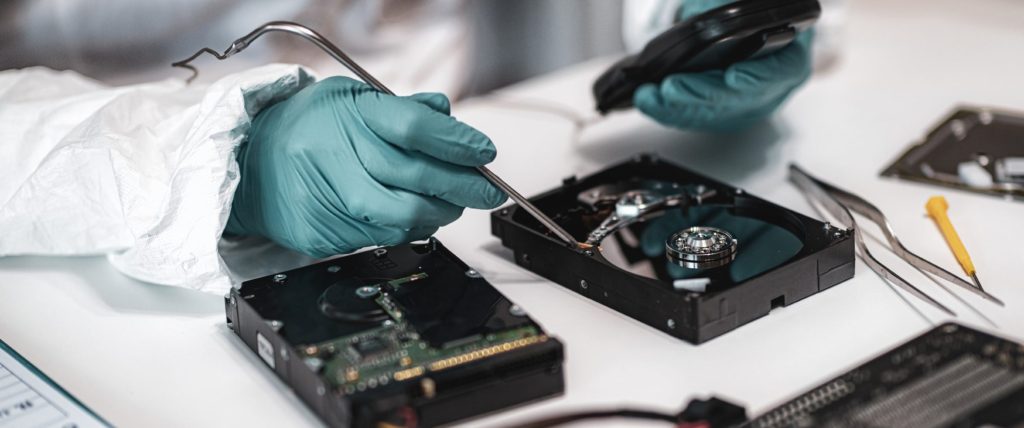
Through forensic investigation, experts can analyze the digital footprints left behind by malicious actors, reconstruct timelines of activities, and pinpoint the exact nature and extent of the breach. This can include tracing unauthorized access to sensitive files, identifying malware infections, or uncovering signs of data exfiltration. Computer Forensics Guide investigations also provide businesses with valuable insights into the methods and tools used by cybercriminals, which can help strengthen defenses and prevent future attacks. By understanding how an intruder gained access to a system or what vulnerabilities were exploited, organizations can implement targeted security measures to close these gaps. This proactive approach can be much more effective than simply reacting to an attack after it occurs. For example, after an attack has been investigated and the sources identified, a business can patch security holes, adjust user access protocols, and upgrade their overall cybersecurity infrastructure to prevent similar breaches from happening again.
Moreover, computer forensics plays a crucial role in legal and regulatory compliance. In the event of a data breach or cybercrime incident, organizations may be required to provide evidence of their investigations to regulatory authorities, law enforcement, or courts. The ability to present clear, admissible evidence that is gathered and preserved in accordance with legal standards is vital for protecting the company’s interests. Forensic experts follow strict protocols to ensure that digital evidence remains intact and unaltered, thereby maintaining its integrity for legal purposes. This can be particularly important in industries where compliance with regulations such as the General Data Protection Regulation GDPR or the Health Insurance Portability and Accountability Act HIPAA is mandatory. Additionally, forensic investigations can help identify the root causes of incidents, allowing businesses to make data-driven decisions about how to allocate resources toward cybersecurity and ensure that investments are being made in the right areas.